Here’s the monthly wrap up of everything going on at the studio…
Want to get the monthly email right in your inbox?
Join our safe subscribe monthly mailing list: Join or Update Your Preferences

Here’s the monthly wrap up of everything going on at the studio…
Want to get the monthly email right in your inbox?
Join our safe subscribe monthly mailing list: Join or Update Your Preferences

Join us for the inaugural “Art in the Arboretum Opening Reception” on Wednesday, June 1 from 5-7 p.m. in the Aroma Garden. Refreshments will be served at Norrie’s Gift & Garden Shop entrance.
UC Santa Cruz Arboretum is thrilled to partner with Susana Arias who is one of the curators of Sierra Azul Nursery & Garden’s Sculpture IS exhibits and welcome an exceptional group of local Santa Cruz artists for Art in the Arboretum “Sculpture’.
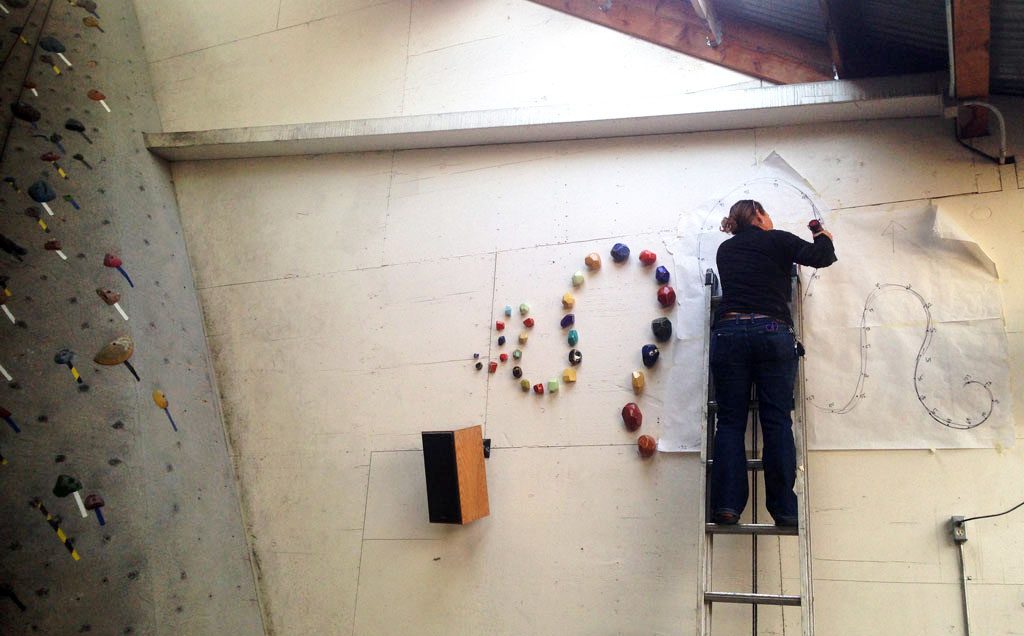
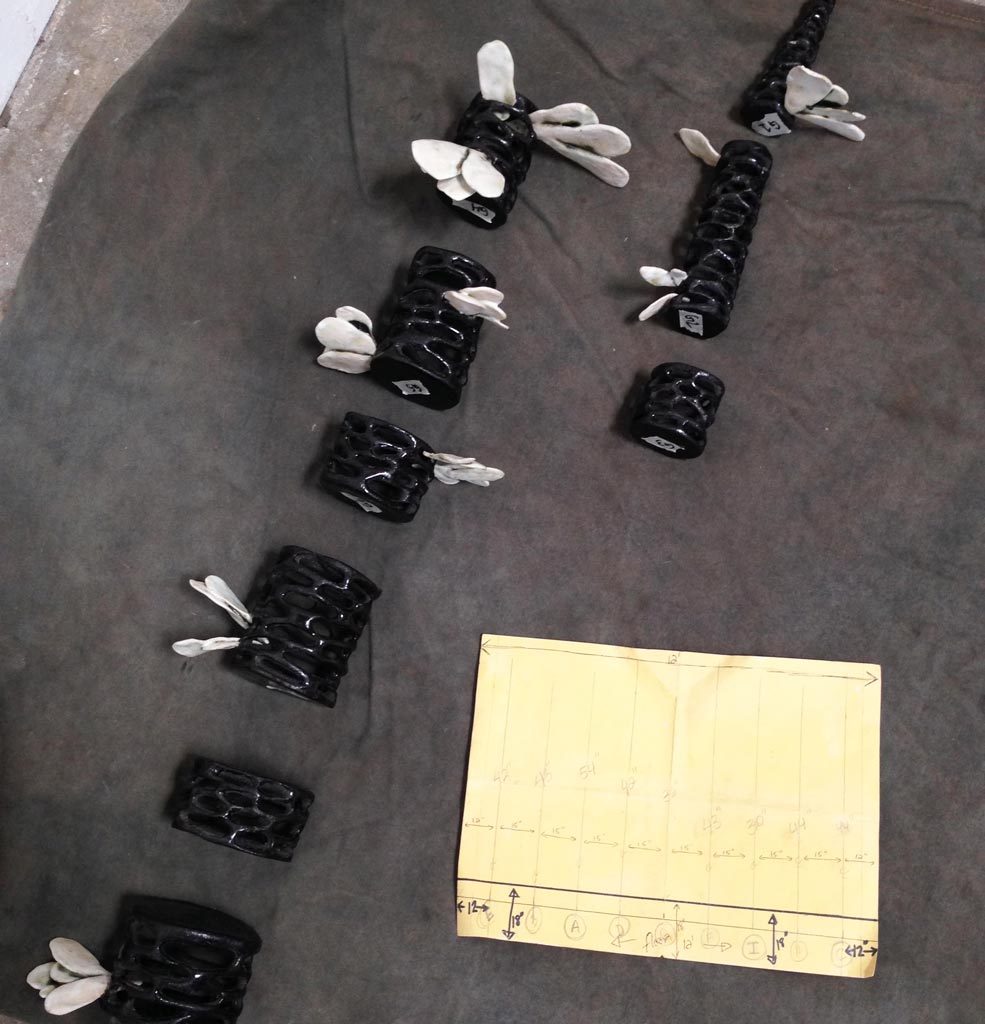
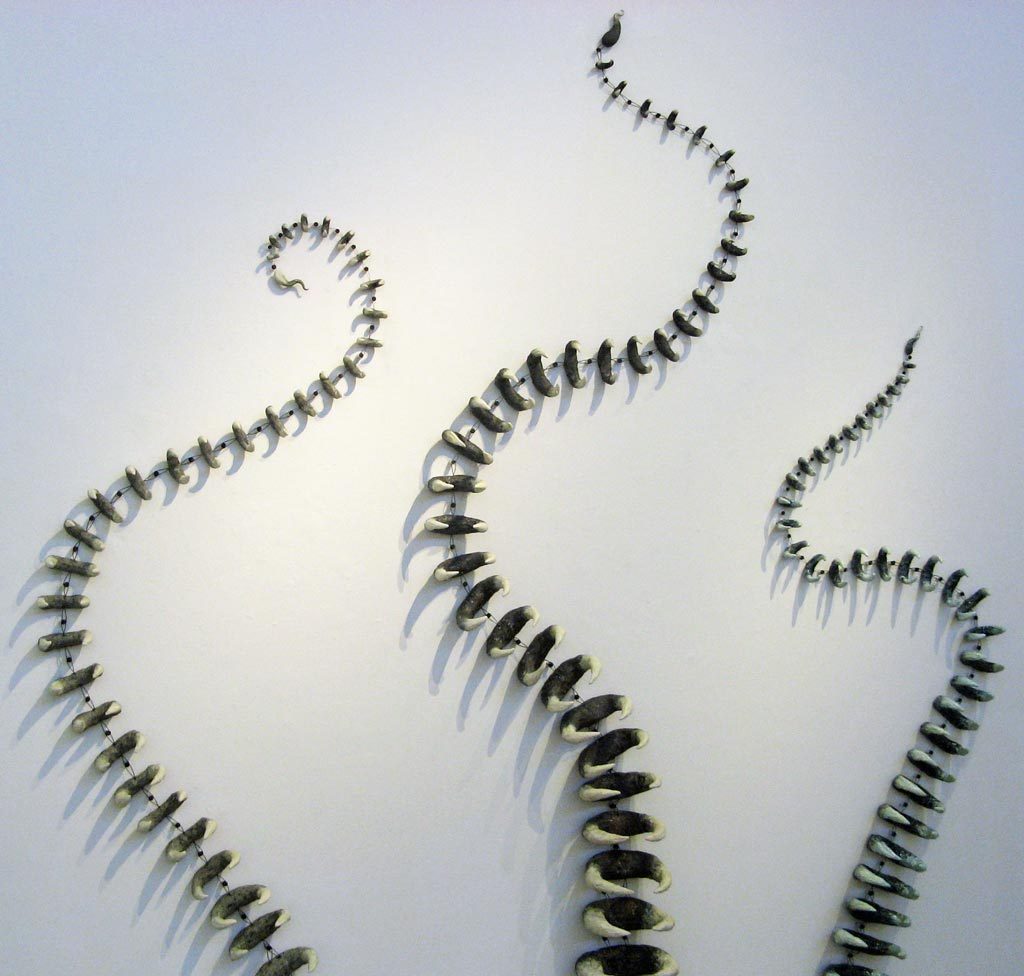
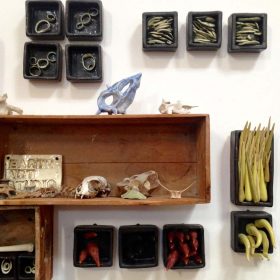
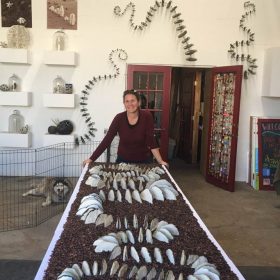
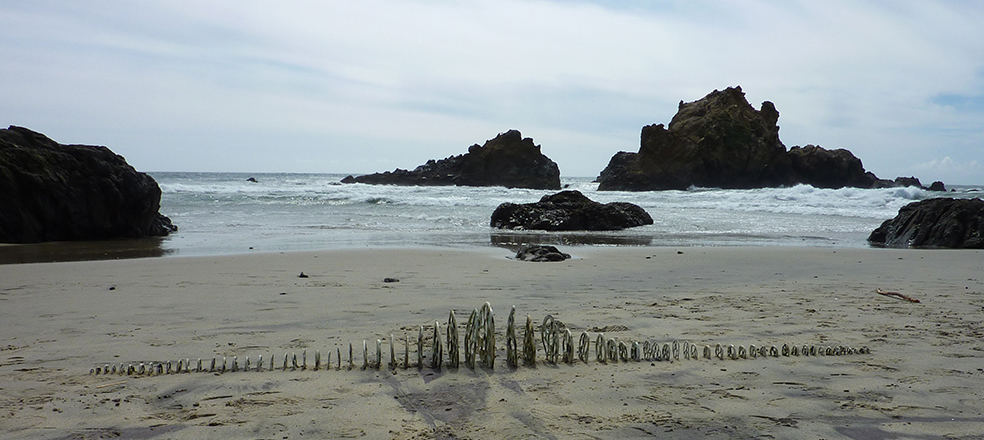
I have two installations from my Bone Series in this show, one is suspended from the 20’ceilings and the other spread out over and 8′ wall, I’m really happy with both of these installations and hope that you get a chance to get there to see the show. It will be up until July 17th. Here’s a sneak peek…


First, you’ll need a plaster board. If you’re recycling small amounts of clay, you could use some scrap drywall pieces with the paper removed from one side of it, if you’re recycling larger amounts, you’re going to want to make a thick plaster board. I have a board that is about 3’x 2′ with wood edging around the outside of it that is about 3″ high. You could use an old shallow drawer if you’ve got one.
Next, mix up your plaster per the directions on the bag and pour it into your frame, make sure the top is as even as possible and tap the sides of it to release any air bubbles that may have gotten trapped in the plaster. Let the plaster set up and harden, give it a few days to dry out before recycling any clay on it.
To set up your recycling system, you’ll need a bucket with a lid. I use a standard size garbage can on wheels to make it easy to move around the room and also tuck away but if you are recycling smaller amounts of clay a 5 gallon bucket might be big enough for you. Add all of your scraps of clay that are too wet or dry to work with and cover with water. Be careful not to allow tools, sponges or other studio debris to end up in the bucket, it will start to decompose and smell pretty bad. Allow these pieces to soak and break down until the clay is uniformly squishy.
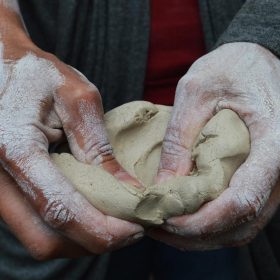
Then scoop out the clay and lay it in an even thickness onto your prepared plaster board. The plaster will dry the clay from the bottom and the air will dry it from the top, this might take a few days depending on the weather in your area, how hot the room is, how wet the clay is and how wet the plaster board is. You also might need to flip the whole thing over to keep the drying even. You’ll have to keep checking on it to make sure it’s not getting to dry. Once the clay is at a nice working consistancy, it’s ready to be wedged and bagged up for using again. Wedging the clay is sort of like kneading bread, it will remove the air bubbles from your clay so that your work doesn’t explode in the kiln. Here is a great video about wedging your clay: Clay Wedging 101. Also, if you happen to pick up small bits of plaster in your clay, be sure to pick these out before wedging your clay, as they will explode in the kiln. Then bag up your clay in thick plastic bags and store it until your are ready to build again. 
If you find your clay dried out too much on your plaster board, you can toss it back into your recycling bucket and start the process over again. Recycling clay can be a slightly laborious process but it’s definitely worth it and is a great opportunity to teach your students each step of the process and let them learn some extra credit points for helping you recycle the clay in your classroom.
As many of you know, I’ve traveled to Haiti several times over the past few years. In addition to bringing supplies, doing art projects and fundraising for goats in a small village, I’ve friended artists from Atis Rezistans, Sculptors of the Grande Rue, who create mixed media work from found objects. I have three pieces of art by artists Claudel Casseus & Racine Polycarpe for sale.
The two wall pieces were made in Haiti and brought to the US as part of an exhibition at Recology’s Artist in Residence Program. They are made with carved rubber from tires, found objects and painted with imagery found in voudou style work.
The large sculpture ‘Poisson’ was made during Polycarpe’s residency at Recology from found objects at the San Francisco dump. This piece lights up from the inside and is suitable for an outdoor sculpture.
Please contact me if you are interested in any of these pieces. All sales will go directly to the artists.
About Atis Rezistans:
Grand Rue is the main avenue that runs a north-south swathe through downtown Port au Prince from Bel Air and La Saline to La Cimetière and Carrefour. At the southern end of Grand Rue, amongst the labyrinthine warren of back streets that line the avenue, is an area that traditionally has produced small handicrafts for the ever-diminishing tourism market. This close-knit community is hemmed in on all sides by the makeshift car repair district, which serves as both graveyard and salvation for the cities increasingly decrepit automobiles.
All the artists grew up in this atmosphere of junkyard make-do, survivalist recycling and artistic endeavour. Their powerful sculptural collages of engine manifolds, TV sets, wheel hubcaps and discarded lumber have transformed the detritus of a failing economy into bold, radical and warped sculptures. Their work references their shared African & Haitian cultural heritage, a dystopian sci-fi view of the future and the positive transformative act of assemblage.
The artists from Grand Rue are extending the historical legacy of assemblage to the majority world. Their use of the readymade components are driven by economic necessity combined with creative vision and cultural continuity. Their work is transformative on many different allegorical levels, the transformation of wreckage to art, of disunity to harmony and of three young men, with no formal arts training, to the new heirs of a radical and challenging arts practice that has reached down through both modernist and post-modern arts practice.
I was invited to install two sculptures at the 5th Annual Clay and Glass Exhibit at the Healdsburg Center for the Arts. I have the parts, hardware and tools for the two indoor installations from my Bone Series all packed up and ready to go. Road trip ready!
The fun (and scary) part about doing these type of installations is that I really don’t know what it will look like until I install it. I base my plan on sketches, basic layout in my studio and the hopes that this new crazy idea will just somehow come together and look good too! I confess that I also consult my in house construction team (aka: my husband Nate) about the plausibility of these ideas too.
Today, I arrived at the gallery to find pedestals being painted, walls being arranged and the scissor lift waiting to take me up to the 20′ ceilings to start installing the hardware for the suspended work.
Tomorrow, the pieces will be installed and fingers crossed, they will look amazing! Until then, I’m enjoying the beauty of the Russian River.

Here’s the schedule and number of spots left:
Session 1: June 6 – 10 (Ages 7+) FIVE SPOTS LEFT
Session 2: June 13 – 17 (Ages 7+) TWO SPOTS LEFT
Session 3: June 20 – 24 (Ages 9+) SIX SPOTS LEFT
Session 4: June 27 – July 1 (Ages 11+) FULL
Session 5: July 5 – 8 (Ages 7+) FULL
Session 6: July 11 – 15 (Ages 7+) FOUR SPOTS LEFT
Session 7: July 18 – 22 (Ages 9+) ONE SPOT LEFT
Session 8: July 25 – 29 (Ages 11+) FULL

This VERY SPECIAL email blast hit inboxes this morning, but if you’re not on our mailing list…
SPECIAL ANNOUNCEMENT | May Studio News
Want to get email right in your inbox?
Join our safe subscribe monthly mailing list: Join or Update Your Preferences
Every ceramic program has their own way of making test tiles of their glazes to share with their students. Some are very elaborate systems that give you all the information you could ever need to know about a glaze but with my students in a classroom setting, just knowing what color it will be seems to be enough information. I will never forget the look on a students face when I handed him his green penguin. He just didn’t believe me that the seeming black goop in the jar would magically turn green in the kiln- surprised to say the least!
I like to make tags that can be attached to the jar so that as they move around the classroom, the correct tag stays with the correct jar. I use the same clay we are building with and make small pancake shapes that are about 1 1/2″ across. I texture half of the tag and put a hole in the top to eventually hang it by. If you know what glazes you are using, you might want to write the name with a sharp tool onto the back of the tag while the clay is wet. If you want to make a bunch and label them later, you can do that too. Then bisque fire them.
I label mine with an underglaze pencil made by Amaco, they write just like a pencil but are fired onto the clay permanently. I include the temperature, the brand name and the color by name and number. Then paint on your glaze to the front of the test tag. I like to do an area with one coat, two coats and three coats so you can see how the glaze changes in translucency or richness of color. Some glazes will look very different when they pool in the textured area of the test tile too. Once they are painted, glaze fire them to the appropriate temperature for the glaze you are testing.
When you have your tiles done, loop and elastic band through the hole at the top and then around the neck of the glaze bottle. When you run out of glaze, you can easily take off the label and place it on the new bottle. My new students always have a hard time believing that this rusty red glaze will turn to leaf green with just a little help from the kiln. Happy Glazing!
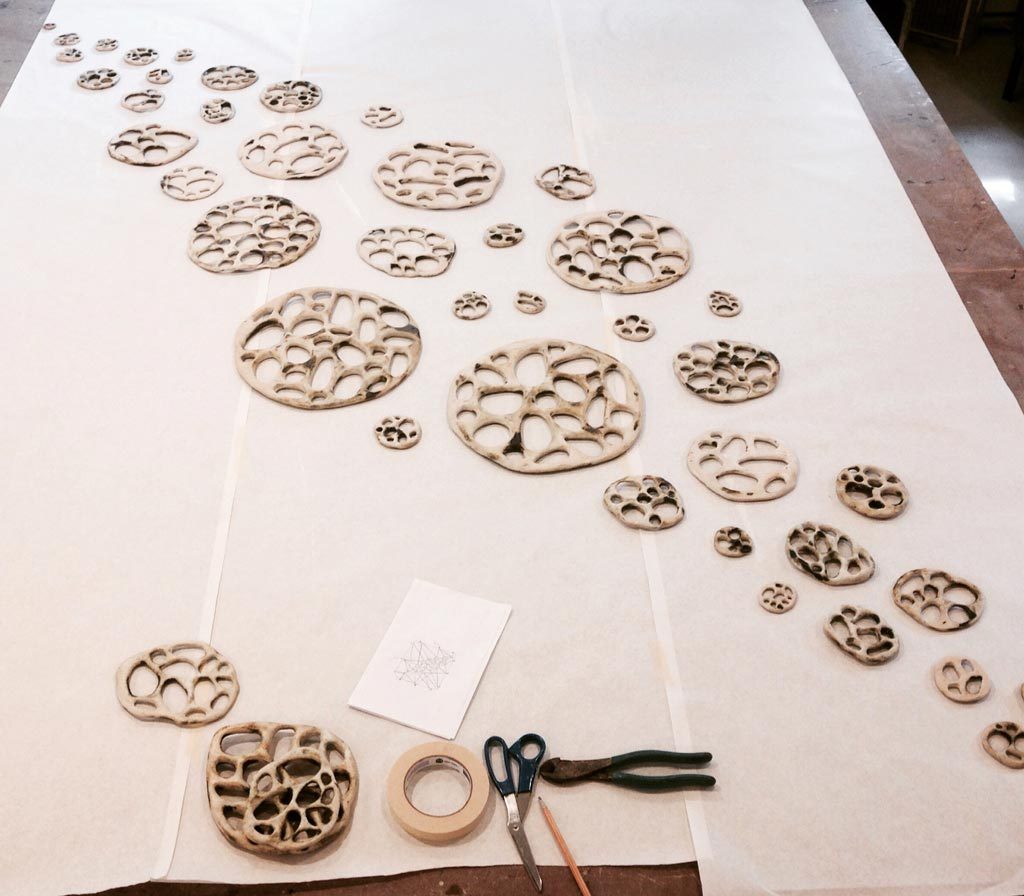
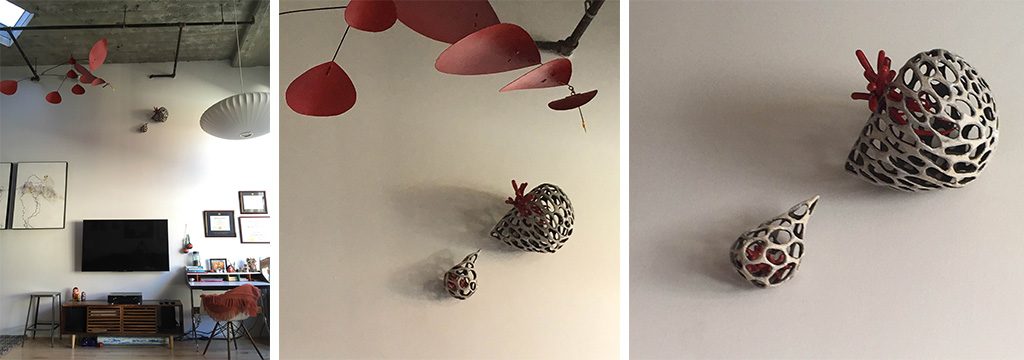
The opportunity to participate in a sculpture exhibit at the UCSC Arboretum recently came up and I’m delighted to showcase one of my newest installations from the Lichen Series there for the first time. This exhibit was curated by Susana Arias and includes local artists Marilyn Kuksht, Anna Martin, Jaime Abbott, Coeleen Kiebert, Christie Thomas, Scott Lindberg, Kirk McNeill, Jennifer Hennig and myself. The exhibit will be up June 1 – October 3, 2016 with a reception for the artists June 1st from 5 – 7.

About the Lichen Series:
This inspired by observing the growth of mushrooms, fungus, lichens and algae as they sprout, grow and perish throughout the seasons. In the natural world, these forms thrive and expand in organic patterns following the natural rhythms of dying areas of the forest and as the rains come and go. This installation explores the dualities of death and regrowth, the power of negative space and the contrast of dark and light.